
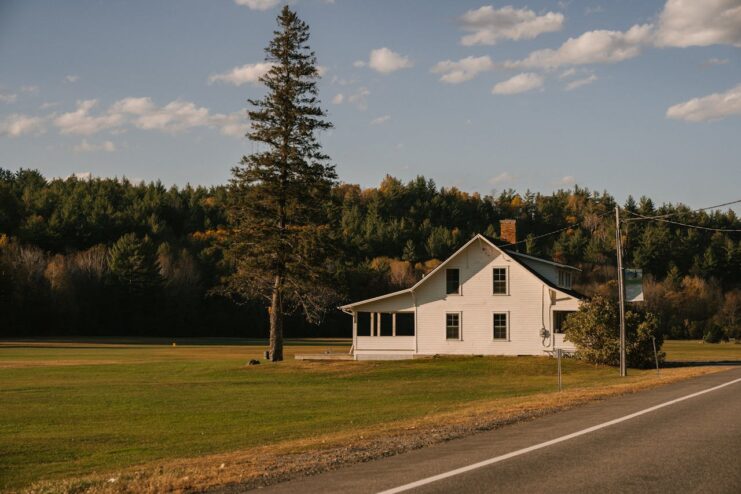
Vacant homes often sit untouched while the owner waits for a buyer. During that time, unexpected issues can appear, and small problems can turn into expensive ones. Many homeowners hope to sell quickly, not only to move on but also to avoid the rising risk of damage, theft, or financial loss.
This guide explains how to protect your vacant home, speed up the selling process, and keep more money in your pocket. Everything is written in clear language so you can take action with confidence.
Smart Moves for a Faster Sale
Selling an empty property has its own challenges, and the longer it stays on the market, the more you may spend on maintenance. Some owners worry about paying for repairs or ongoing bills, so finding ways to shorten the timeline becomes a priority.
One option homeowners turn to is Cash For Homes Now, which can make the sale process shorter and remove many traditional steps. Though every seller should compare different options, reducing the waiting period is often helpful when dealing with a vacant property.
Simple Fixes That Help Your Empty Home Stand Out
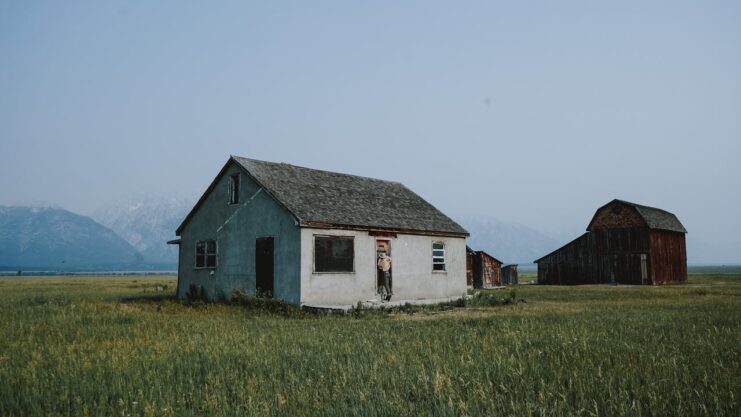
In many cases, the moment a buyer arrives at a vacant property, they can sense whether the home has been cared for. First impressions shape interest, and small upgrades can help your listing stand out among similar homes.
Begin by refreshing the exterior. Sweep walkways, trim bushes, and clear any clutter. These tiny steps make the home appear inviting. Since the interior has no furniture, curb appeal becomes even more important.
When you step inside, small imperfections become obvious. Touch up paint, replace worn outlet covers, and fix loose handles. These efforts show buyers that the property has been maintained rather than ignored.
Adding minimal décor or soft lighting also gives the home a welcoming tone. You don’t need full staging. Even subtle touches help buyers picture how the space could look once furnished. Picture a calm neighborhood corner near a residential plaza; that same sense of possibility is what you want your home to express.
Keeping a Vacant Property Safe While It’s on the Market
A home without occupants can attract trouble. Preventing issues is far easier than managing them after they happen. Safety should be a top priority for every seller with an empty property. Start by checking all entry points. Secure every door and window.
Install new locks if you have had tenants or contractors in the past. Some homeowners choose to add temporary smart locks because they can track access and remove codes anytime.
Lighting also plays a big role. Consider using timers so lights switch on and off at different hours. This gives the impression that someone visits regularly. Motion-activated lights near the front and back doors add another layer of protection.
Regular check-ins are important as well. Visit the home or ask a trusted person to walk through it every few days. Look for water leaks, signs of forced entry, or problems with the HVAC system. Catching these issues early saves money. Insurance companies often require proof of frequent visits, so keeping a simple log is useful.
Why Pricing Matters Even More for Vacant Homes
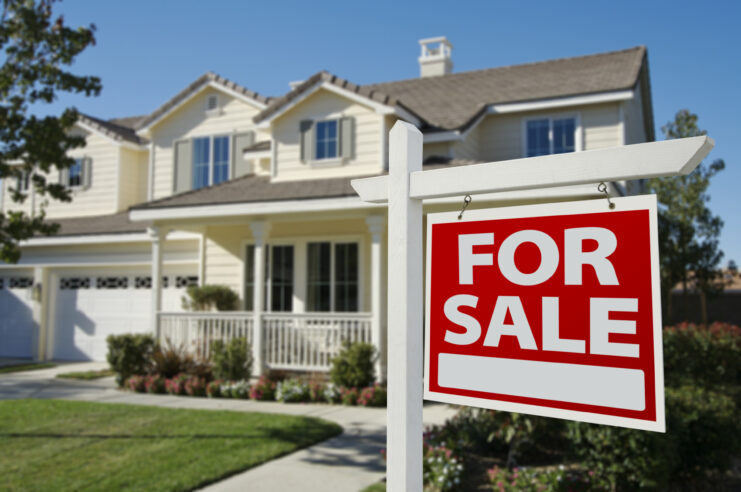
Pricing a property correctly helps it sell faster, and vacant homes often need a sharper pricing strategy. Buyers may expect a lower price when a home is empty, assuming the owner wants a quick sale. While you do not need to accept a low offer, it helps to research nearby sales carefully.
If the home requires repairs you cannot handle, it may be better to price it competitively from the start rather than waiting for the perfect buyer. Every extra month on the market means extra carrying costs. Taxes, utilities, and home insurance all continue even when no one lives there. A strong pricing strategy attracts serious buyers sooner. When buyers see a fair price combined with a well-maintained vacant home, offers tend to come in faster.
Marketing Moves That Attract Serious Buyers Quickly
Since your home is empty, marketing it well becomes even more important. Clear, bright photos help buyers focus on the property’s layout. Hire a professional photographer if possible. They know how to highlight space and lighten dark corners. Consider adding a floor plan to your listing. Buyers like knowing how rooms connect, and vacant homes often photograph differently from how they feel in person.
A floor plan gives them clarity before they even schedule a showing. Online listing descriptions matter too. Keep them simple and focus on key features such as updated systems, lot size, or recent improvements. Mention that the home is move-in ready if it applies. Buyers who want a quick transition value that features.
Managing Costs While the Home Sits Empty
Carrying costs often surprise homeowners. Utilities, lawn care, minor repairs, and insurance can add up each month. Planning keeps these costs manageable. Turn off unnecessary services while still keeping the home safe. For example, water heaters can be set to low settings. Some homeowners pause cable or internet services.
When making changes, confirm which utilities or systems must remain active to prevent damage, such as climate control during freezing or hot months. Insurance coverage for vacant homes varies, so call your provider to confirm you have the right policy. Some insurers offer specific vacant-home coverage, which protects you if something unexpected happens.
When Selling Fast Protects Your Wallet
Sometimes the best financial decision is to move forward with a quick sale instead of holding the property. Vacant homes often lose value due to wear, vandalism, or delayed maintenance.
The longer they sit, the more responsibility falls on the owner. If the property needs repairs you prefer not to handle, or if carrying costs are rising, a fast sale can reduce stress. Many owners find relief once the home is sold and no longer requires their time or money.