

Noticing cracks in walls, uneven floors, or doors that no longer close properly can make any homeowner nervous. Foundation problems often feel overwhelming.
Many people assume they must repair everything before putting their house on the market. That belief can delay plans, increase stress, and drain savings.
The truth is, you can sell a house with foundation problems without fixing them first. It requires planning, honesty, and the right strategy.
Buyers approach these homes differently, and knowing how the process works helps you stay in control. This guide explains your options, what to expect, and how to move forward with confidence.
Who Buys Homes With Structural Issues?
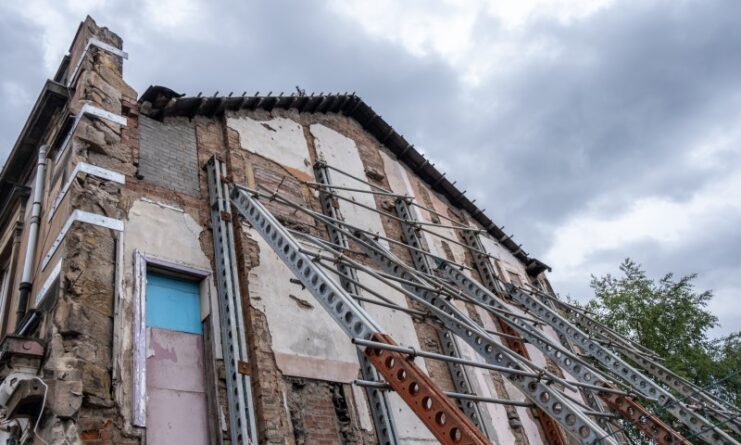
Homes with foundation damage do not appeal to every buyer. Traditional buyers who need financing often prefer move-in-ready properties. Lenders may hesitate if structural problems appear serious, and inspections can create obstacles during closing.
There is still a strong market for distressed properties. Cash buyers, investors, and renovation-focused companies actively look for homes that need work.
If your goal is to sell house fast, connecting with buyers who purchase properties as-is can save time and reduce complications.
These buyers calculate repair costs and make offers based on the current condition. Selling to an investor usually means fewer contingencies.
They expect imperfections and budget for repairs in advance. This approach removes the pressure of completing expensive foundation work before listing.
What Disclosure Really Means for You
Being honest about foundation problems is not optional. Most states require sellers to disclose known structural issues. Transparency protects you from future legal trouble and builds trust with buyers.
A clear disclosure form outlines what you know about the damage. Include details such as past inspections, repair estimates, or any previous work completed. Even if you never fixed the problem, sharing documentation shows responsibility.
Some sellers worry that disclosure will scare buyers away. In reality, serious buyers appreciate honesty. It allows them to evaluate risk accurately and move forward with realistic expectations. Hiding issues often leads to renegotiation or canceled contracts once inspections reveal the truth.
Pricing a Property That Needs Structural Work

Setting the right price is one of the most important decisions when selling a home with foundation issues. Overpricing can leave the property sitting on the market. Underpricing may cost you equity you could have preserved.
Start by researching comparable homes in your area. Look at similar properties that needed repairs or were sold as-is. If possible, obtain a repair estimate from a licensed contractor. This gives you a clear idea of potential costs buyers will consider.
Buyers typically subtract estimated repair expenses from market value. They may also factor in inconvenience, time, and risk. Pricing your home realistically from day one attracts serious interest and reduces drawn-out negotiations. A thoughtful real estate strategy helps you balance speed, price, and risk while staying aligned with your personal timeline.
Weighing Repair Costs Against a Quick Sale
Some foundation repairs cost a few thousand dollars. Others can climb into five figures depending on severity, soil conditions, and structural impact. Before deciding whether to fix the problem, compare repair costs with your timeline and financial goals.
Ask yourself a few practical questions:
- Do you have access to funds for repairs?
- How quickly do you need to move?
- Are you comfortable managing contractors and inspections?
- Would a faster closing reduce other financial pressures?
If repairs require loans or extended construction time, selling as-is may make more sense. A quick sale can free you from ongoing mortgage payments, property taxes, and insurance costs. Each situation is different, so review numbers carefully before committing to either path.
Inspection Reports and Buyer Expectations
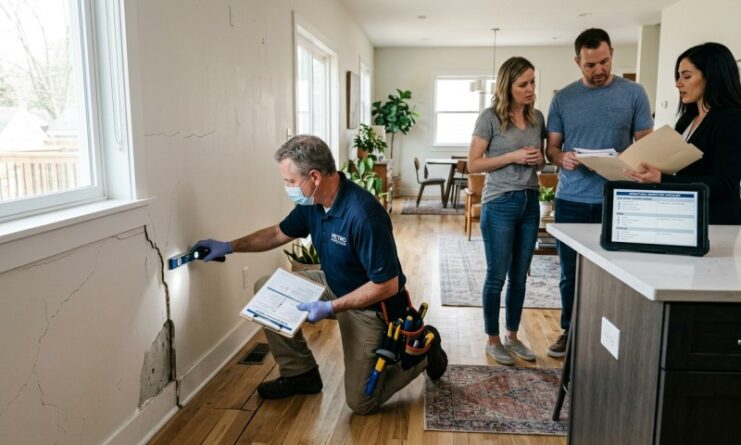
Most buyers will request a home inspection. When foundation issues are already disclosed, the inspection simply confirms the extent of damage.
In some cases, buyers may bring in a structural engineer for further evaluation. This step can feel intimidating, though it often works in your favor. Detailed reports create clarity.
They outline the scope of repairs and remove guesswork. Once buyers understand the situation fully, negotiations become more focused.
Expect buyers to request a price adjustment based on inspection findings. If you priced the property realistically from the beginning, these discussions would remain manageable. Staying calm and open during this stage keeps the transaction moving forward.
Marketing an As-Is Property the Right Way
Presentation still matters, even when selling a home with structural problems. Cleaning, decluttering, and improving curb appeal can make a big difference.
While you are not fixing the foundation, you can improve the overall appearance. Use clear language in your listing. Phrases like priced to reflect condition or ideal for investors signal the right audience.
Highlight positive features such as location, lot size, layout, or updated systems unrelated to the foundation. Professional photos and accurate descriptions attract buyers who understand renovation projects.
The goal is to position the property honestly while emphasizing its potential.
Financing Challenges Buyers May Face

Foundation problems can complicate financing. Conventional loans often require homes to meet certain structural standards. If damage appears severe, lenders may decline approval until repairs are completed.
Cash buyers bypass this hurdle entirely. Investors frequently purchase homes without traditional financing, which simplifies the process.
If a financed buyer expresses interest, ask their lender early about structural requirements to avoid surprises later. Knowing how financing affects offers helps you evaluate which proposal is strongest. A slightly lower cash offer may be more reliable than a higher financed offer with strict conditions.
Emotional Side of Letting Go
Selling a home with structural issues can feel personal. You may worry about judgment or feel frustrated that repairs were never completed. Those emotions are natural.
Focus on practical outcomes rather than regret. Houses experience wear over time. Soil shifts, water intrusion, and age contribute to foundation movement.
These challenges do not define you as a homeowner. Shifting your mindset toward solutions makes the process smoother.
Whether you sell to an investor or a traditional buyer willing to handle repairs, the goal is forward movement. A successful sale allows you to close this chapter and begin a new one with less stress.
Stepping Ahead With a Clear Plan
Selling a house with foundation problems without fixing them first is possible with the right approach. Honest disclosure, realistic pricing, and targeted marketing attract buyers who understand renovation projects.
You do not have to carry the burden of expensive repairs alone. Many buyers specialize in properties that need structural attention.
By focusing on facts, planning carefully, and choosing a strategy aligned with your goals, you can complete the sale and move ahead with clarity.
Foundation damage may feel like a major obstacle. With the right information and preparation, it becomes a manageable step in your real estate journey.