Donald Trump’s real estate is not just a list of buildings. It is a mix of private homes, commercial towers, clubs, branded developments, and properties that became part of his public identity. Some are owned, some are licensed, and some are better understood as brand assets.
That distinction matters, because Trump real estate is as much about visibility as square footage.
Why Trump Real Estate Still Gets So Much Attention
Trump real estate attracts attention because it sits at the meeting point of property, branding, politics, and media. A standard office building may be judged mostly by rent, location, debt, and occupancy. A Trump property is judged through another layer too: how much the name itself adds or subtracts from public interest.
The Trump Organization’s official commercial portfolio lists properties such as Trump Tower, 40 Wall Street, 1290 Avenue of the Americas, and 555 California Street.
Reuters has also analyzed Trump’s business interests by separating rental income, golf and resort revenue, licensing, loans, and legal pressures.
That is why the smartest way to look at these properties is not to ask, “Which one is the most expensive?” It is better to ask what each property actually does inside the wider Trump business story.
Trump Tower, New York
Trump Tower is the property most people picture first, and honestly, that makes sense. It opened in 1983 at 725 Fifth Avenue in Manhattan and became the headquarters of The Trump Organization, according to the company’s own timeline. It also combined several things Trump wanted associated with his name: luxury retail, offices, private residence, visibility, and a major New York address.
What makes Trump Tower important is not only its height or design. It became a public stage. Campaign events, press coverage, security presence, and decades of television exposure all added to its recognition.
Key points to understand:
- It is both a commercial and symbolic property.
- It helped turn the Trump name into a real estate brand.
- Its location near Central Park and major luxury retailers increased its public visibility.
Trump Tower is not just part of Trump real estate. It is one of the reasons the brand became recognizable far beyond New York.
40 Wall Street and the Downtown Office Story
40 Wall Street is a different kind of Trump property. It is not a personal residence or lifestyle estate. It is a major commercial office building in Lower Manhattan, and the Trump Organization describes it as a 72-story, 1.3 million-square-foot office property originally completed in 1930.
The building matters because it shows the business side of Trump real estate without the residential glamour. Its value depends on office demand, lease income, financing, operating costs, and the health of the New York commercial market.
| Property | Type | Why It Matters |
| 40 Wall Street | Commercial office tower | Large downtown asset with historic architecture |
| Trump Tower | Mixed-use tower | Most visible Trump-branded New York property |
| 1290 Avenue of the Americas | Office interest | Important because Trump has a minority stake |
| 555 California Street | Office interest | Major San Francisco asset tied to partnership ownership |
This is where readers should be careful. A famous building is not automatically a simple asset. Ownership structure, debt, tenants, and market conditions all shape its real value.
Mar-a-Lago, Palm Beach
Mar-a-Lago is probably the most discussed Trump property today, but it is not a normal private house in the public imagination. It is a Palm Beach estate, private club, residence, political gathering place, and security-sensitive location. That combination makes it unusually complicated.
The Trump Organization lists The Mar-a-Lago Club among its estates. The property also has historic importance. The National Park Service records refer to Mar-a-Lago as a former National Historic Site that was under NPS management from 1973 until 1981.
Important context: Mar-a-Lago should not be evaluated only as a luxury property. Its public role changed because it became closely tied to Trump’s post-presidency, political events, and legal attention.
For readers, the main thing is this: Mar-a-Lago is recognizable because of its location and architecture, but its modern significance comes from how it is used.
Seven Springs and the Private Estate Side
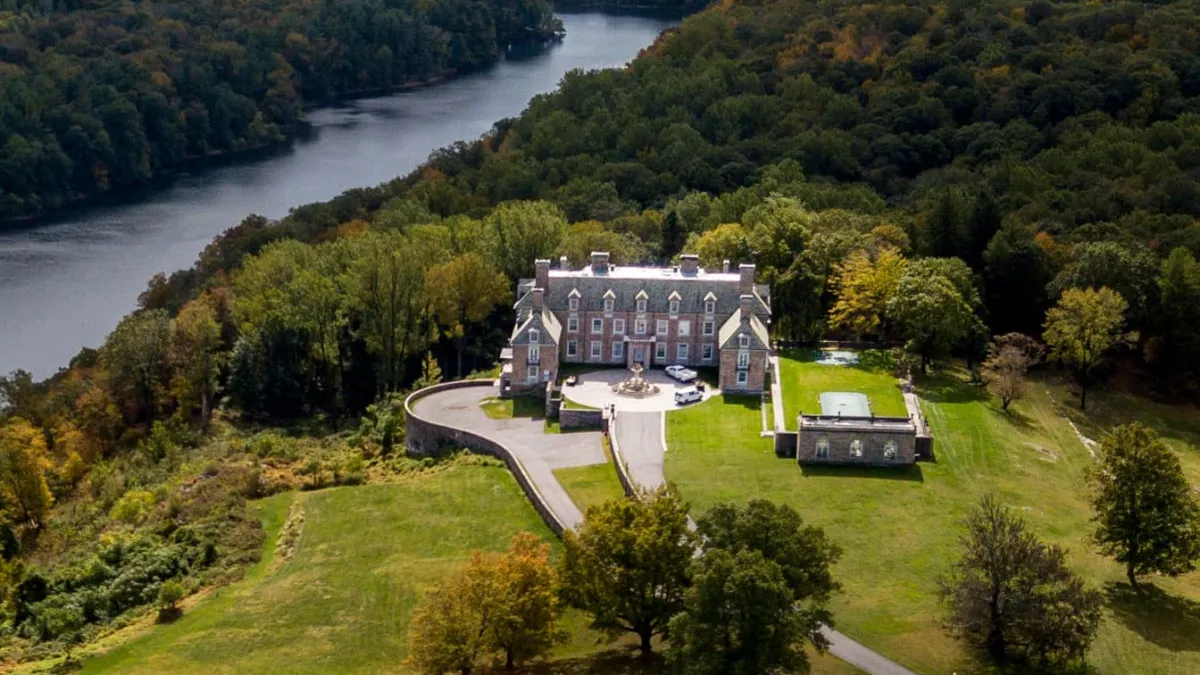
Seven Springs is less visible than Trump Tower or Mar-a-Lago, but it belongs in any serious guide to Trump real estate. The property is located in Westchester County, New York, and is often discussed as part of Trump’s private estate holdings rather than his main commercial empire.
The Trump Organization includes Seven Springs in its estates collection. Unlike Trump Tower, this is not a property most people know from street-level visibility or retail activity. Its relevance comes from land, private estate value, and its place inside the broader personal property portfolio.
A useful way to separate it:
- Trump Tower represents public branding.
- 40 Wall Street represents commercial scale.
- Mar-a-Lago represents club, residence, and political visibility.
- Seven Springs represents private estate ownership.
That makes Seven Springs quieter, but not irrelevant. It helps show that Trump real estate is not one category. It stretches across very different property types.
555 California Street and the Partnership Question
555 California Street in San Francisco is one of the most important properties to understand carefully, because it is not a simple Trump-owned trophy building with his name across the entrance. The Trump Organization lists it in the commercial real estate portfolio and describes it as a 52-story business address built in 1969.
But the ownership structure matters. Bloomberg reporting, republished by WealthManagement.com, described 555 California Street and 1290 Sixth Avenue as outliers in Trump’s portfolio because Trump owns a minority interest and his company does not manage them.
That small detail changes the whole discussion. A property can be financially meaningful without being visually Trump-branded. For SEO readers researching Donald Trump properties, this distinction is essential because it prevents a common mistake: assuming every famous asset works the same way.
1290 Avenue of the Americas
1290 Avenue of the Americas is another major commercial property that does not fit the standard image of Trump real estate. It is not as famous to casual readers as Trump Tower, but it matters because it is part of the commercial asset discussion around Trump’s wealth.
The Trump Organization includes 1290 Avenue of the Americas in its commercial portfolio. Like 555 California Street, it is often discussed in relation to partnership interests rather than direct brand visibility.
Did you know?
A property can be financially important even if the public rarely connects it with Trump by sight. That is the case with certain office assets where the value is tied less to the Trump name and more to location, ownership share, leases, and long-term commercial performance.
This is why a serious article on Trump real estate should not only focus on the most photographed buildings. Some of the most important assets are also the least theatrical.
Trump-Branded Developments Outside the United States
Not every Trump property around the world works the same way. In many international cases, the Trump name functions as a brand, licensing asset, or development partnership rather than a simple ownership claim. That is important for readers who search “Trump real estate” and assume every tower is owned in the same direct way.
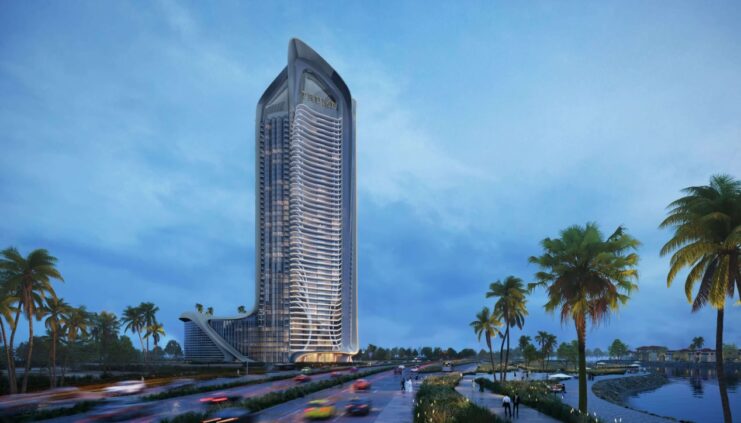
The Trump Organization’s residential portfolio includes international branded projects such as Trump Tower Jeddah. The official description presents it as a luxury development connected to the Red Sea and the Jeddah Corniche.
For practical understanding, separate the categories:
- Directly owned properties
- Minority ownership interests
- Managed properties
- Licensed Trump-branded developments
- Past properties still tied to the brand story
That breakdown keeps the article accurate. It also helps readers understand why Trump real estate is both a property portfolio and a branding system.
How to Read Trump Property Claims Carefully
The biggest mistake readers make is treating all claims about Trump real estate as equal. Official property pages are useful, especially for names, locations, branding, and portfolio positioning. But valuation, ownership percentage, debt, and income usually require outside reporting or legal and financial documents.
Reuters reported in 2024 that Trump’s business interests included real estate, golf courses, hotels, licensing fees, and other revenue sources, while also noting that valuation questions had been central to legal scrutiny.
A careful reader should ask three questions:
- Is the property owned, licensed, managed, or partly owned?
- Is the source promotional, financial, legal, or journalistic?
- Is the article discussing market value, brand value, or public recognition?
Once you make those distinctions, the topic becomes much clearer. Trump real estate is not confusing because there are too many buildings. It is confusing because the business model uses several different relationships to property.
What These Properties Say About the Trump Brand
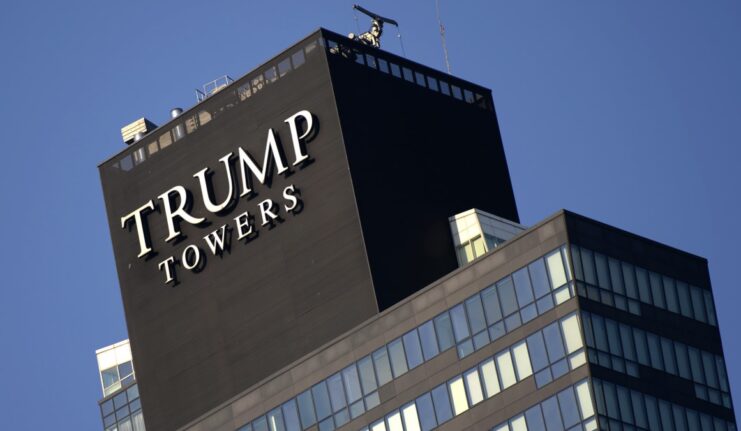
The most recognizable Trump properties share one obvious trait: they were built, bought, or branded to be seen. Trump Tower faces Fifth Avenue. Mar-a-Lago sits in one of America’s wealthiest coastal communities. 40 Wall Street carries historic downtown weight. International towers use the name as a selling point in luxury development.
Still, recognition does not always mean simple financial strength. Office buildings face market cycles. Private clubs depend on membership, operations, and public perception. Branded projects depend on developer relationships and buyer demand.
That is the real story behind Trump real estate. It is not only about buildings. It is about how real estate can become identity, marketing, leverage, and controversy at the same time. Whether readers admire or dislike the brand, the properties remain unusually visible because they are tied to one of the most recognizable names in American business and politics.